

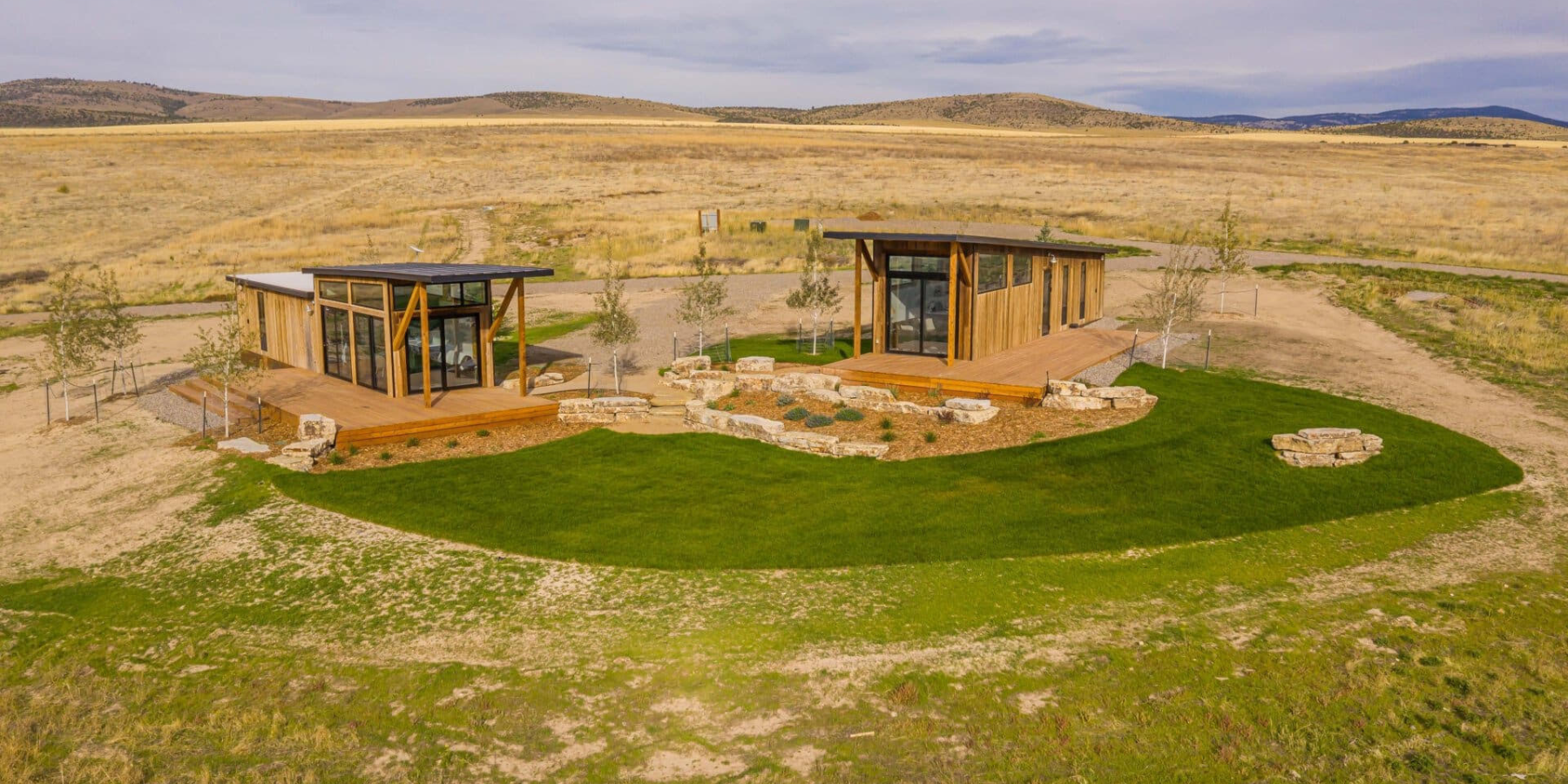
Transitioning from Ranch Broker to Ranch Buyer
The journey from being a ranch broker to becoming a ranch owner is an exciting and educational transition. While years of experience in ranch brokerage can provide a strong foundation, stepping into the shoes of a buyer offers a completely new perspective. Learn key lessons from transitioning from a ranch broker to a ranch buyer, including tips for successful rural property investment.
Thorough Property Evaluation
As a broker, property evaluations often focus on market potential and saleability. However, as a buyer, the lens shifts to personal needs and long-term viability:
- Natural Resources: Assess soil quality, water availability, and local biodiversity.
- Existing Infrastructure: Review the condition of fences, roads, outbuildings, and irrigation systems.
- Development Potential: Consider opportunities for improvement or expansion.
Taking a comprehensive look at these aspects ensures the property aligns with your personal and financial goals.
The Critical Role of Due Diligence
In the role of a buyer, conducting due diligence goes beyond familiarity with contracts and legal procedures. Key steps include:
- Title Verification: Ensure the property is free of liens or ownership disputes.
- Permits and Licenses: Confirm that all existing ranch activities comply with legal requirements.
- Local Regulations: Understand zoning laws or restrictions that might impact land use.
Meticulous due diligence helps avoid unforeseen challenges down the road.
Financial Planning and Investment Strategy
Purchasing a ranch is a significant financial commitment. Thoughtful planning is essential:
- Economic Feasibility: Analyze expected returns and ongoing operational costs.
- Financing Options: Explore mortgages, seller financing, or other alternatives.
- Cash Flow Planning: Prepare for maintenance, improvements, and unexpected expenses.
Strategic financial decisions lay the groundwork for long-term success in ranch ownership.
Operational Management and Maintenance
Owning a ranch involves operational responsibilities that go beyond the initial investment:
- Daily Operations: Oversee agricultural, livestock, or recreational activities.
- Infrastructure Maintenance: Schedule regular repairs and upgrades to facilities.
- Staffing Needs: Hire and manage skilled employees or contractors.
Effective management ensures the ranch remains functional and productive for years to come.
Personal Growth and Adaptation
Transitioning from broker to buyer isn’t just about financial or operational aspects—it’s also a personal journey. Becoming a ranch owner deepens your connection to the land, challenges you to adapt to new roles, and brings a rewarding sense of achievement.
Understanding these lessons equips anyone transitioning to ranch ownership with the tools to navigate the complexities of the process successfully.
Becoming a ranch owner offers both challenges and profound rewards. By leveraging insights from brokerage experience, practicing diligent planning, and embracing the learning curve, you can make the transition successfully and create a thriving legacy. Owning a ranch is not just an investment—it’s a deeply personal journey into land stewardship and sustainability.

Leave a Reply