

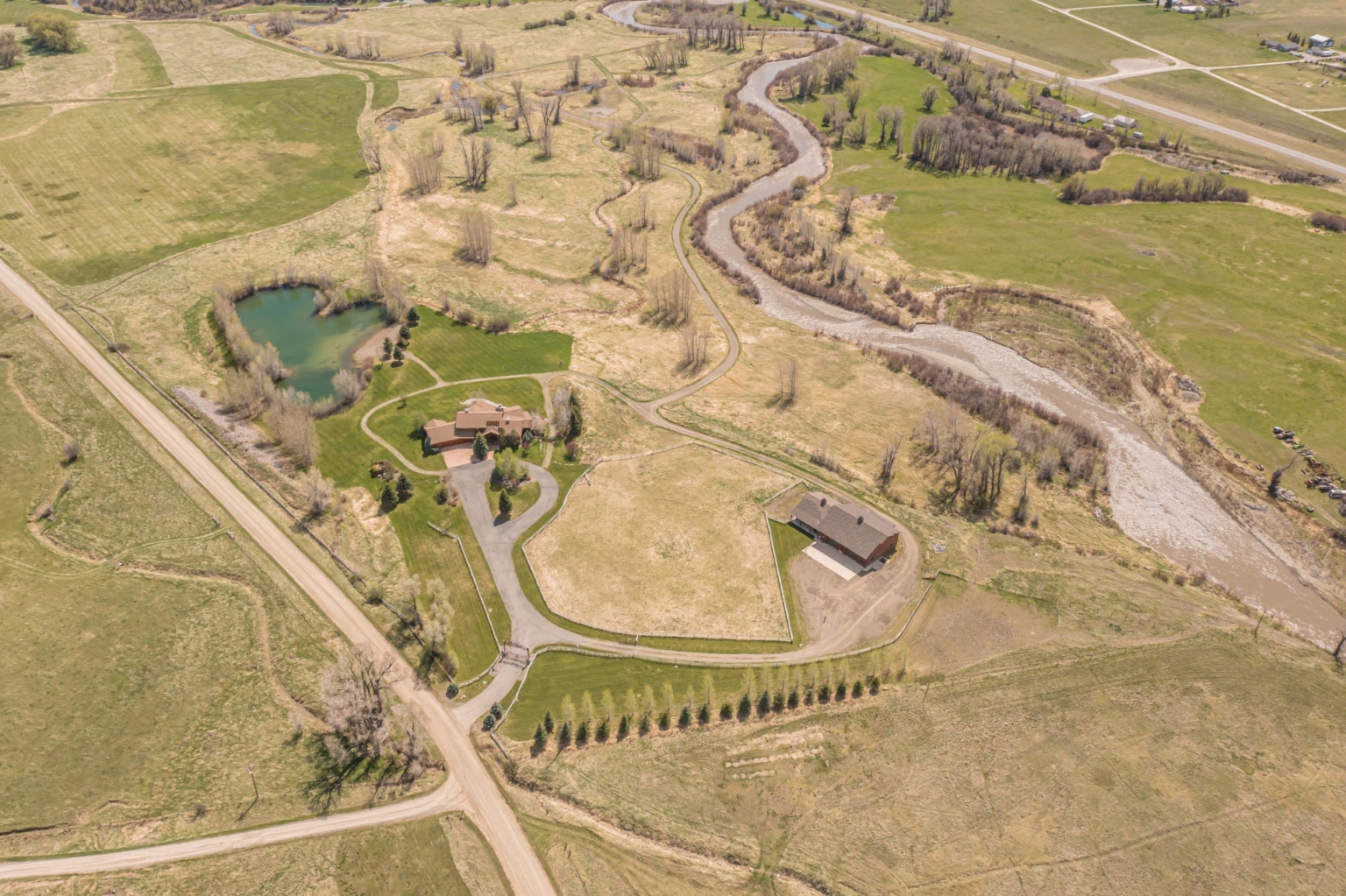
ranch road infrastructure
Good road infrastructure is essential for any ranch or large property. Well-maintained roads improve accessibility, functionality, and property value, benefiting both owners and potential buyers. Investing in road infrastructure demonstrates thoughtful stewardship and can make a property more appealing to future buyers. Discover how proper ranch road infrastructure can enhance accessibility, improve land management, and boost the value of your property
Benefits of Road Infrastructure on Ranches
Quality roads enhance daily operations and allow easy movement of livestock, equipment, and vehicles. Improved roads add significant value, especially when it’s time to sell.
Dirt, Gravel, and Paved Roads
Different road types serve different purposes. Dirt roads are cost-effective for remote areas, gravel roads provide a durable surface, and paved roads offer smooth, reliable access.
Prioritizing Key Areas for Road Improvement
Key areas to prioritize for road improvement include barns, workshops, and main entry points. These locations benefit most from better accessibility and durability.
The Cost and Value of Paving
While paving can be costly, strategic paving around important areas is a sound investment, offering convenience and long-term benefits.
Using On-Site Gravel for Roads
Some properties have natural gravel deposits that can reduce road construction costs, allowing for on-site material use and additional property improvements.
Creating Multi-Use Paths and Trails
Incorporating trails or paths adds versatility, serving purposes from livestock movement to recreational use.
Enhancing Property Value Through Roads
A robust road infrastructure is a strong selling point, showing that the property is ready for various uses, from ranching to recreation.
Investing in road infrastructure on a property pays off by enhancing usability, accessibility, and market value. Planning and prioritizing key areas ensure that the improvements add value and functionality to the property in the long term.


Leave a Reply