

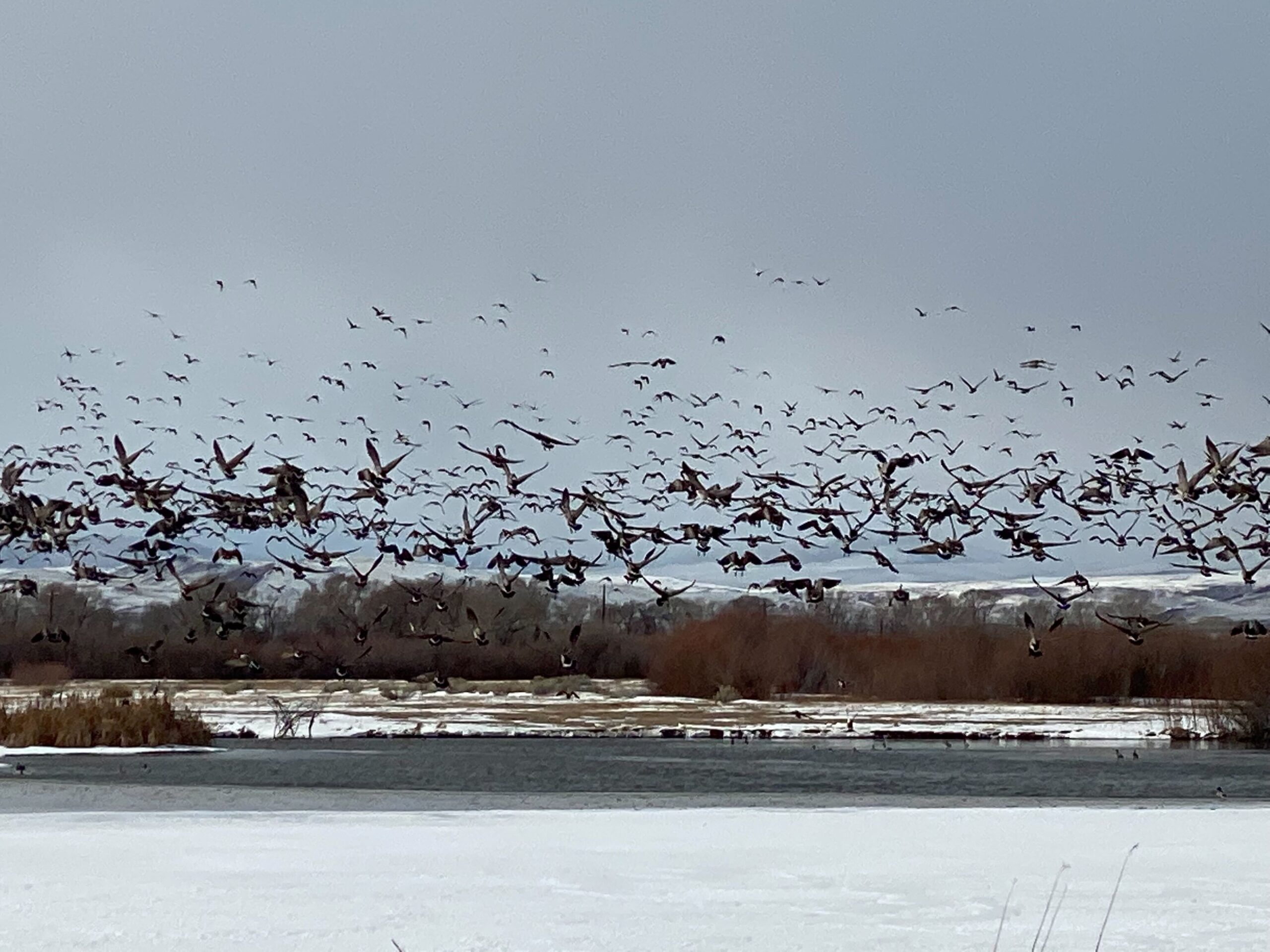
Montana’s Water Legacy: Sustaining Life in the West
Water has always been the lifeblood of the American West, shaping its history, settlements, and economies. In Montana, this reality is vividly illustrated by landmarks like Stonehouse Ranch, where sustainable water sources have supported human activity for centuries. Understanding Montana’s water history and management practices offers valuable insights into the region’s development and the ongoing importance of water conservation.
Stonehouse Ranch: A Historical Oasis
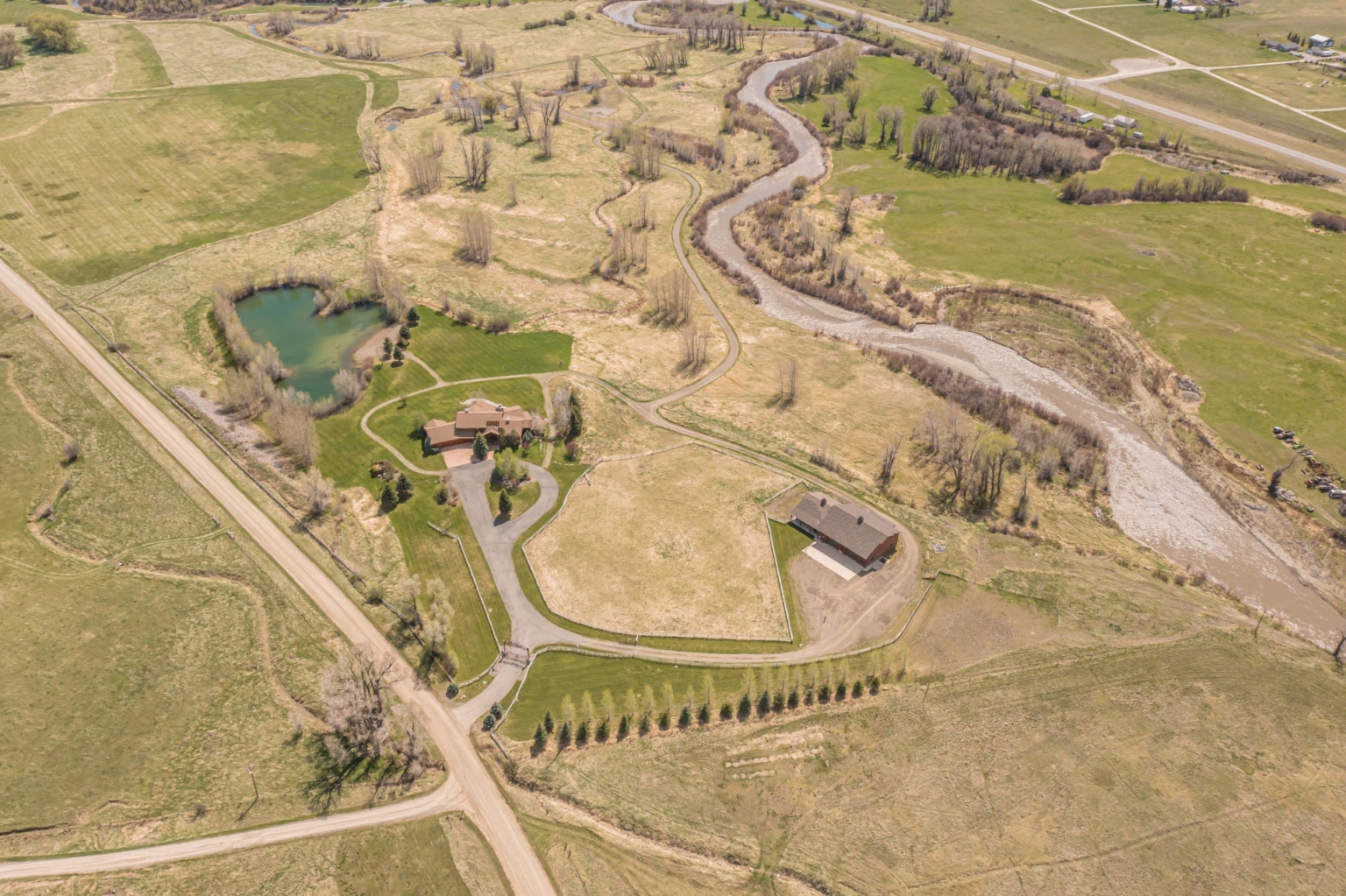
Nestled between Big Timber and Columbus, Montana, Stonehouse Ranch stands as a testament to the critical role of water in western expansion. Established in 1872, this “halfway house” provided respite for travelers on the Bozeman-Miles City stage line, thanks to its reliable high-production springs. These springs, as dependable today as they were in the 1800s, underscore the importance of sustainable water sources in the arid West.
Evolution of Water Rights in the West
The management of water resources in Montana reflects broader trends in western water law. Unlike eastern states that follow the Riparian system—granting landowners adjacent to waterways inherent rights to water—western states like Montana operate under the Law of Prior Appropriations.
John Wesley Powell and Western Water Management
John Wesley Powell, a Civil War veteran and explorer, significantly influenced western water management. Advocating for settlement patterns aligned with watershed boundaries, Powell recognized the West’s limited water resources.
Sustainable Water Practices in Montana
Montana’s approach to water management has evolved to address the challenges of a growing population and changing climate. Initiatives focus on:
- Irrigation Efficiency: Enhancing agricultural water use to support the state’s economy while conserving resources.
Natural Resources Department - Comprehensive Water Planning: Developing state water plans that integrate quality and quantity management, ensuring long-term sustainability.
Natural Resources Department - Collaborative Management: Engaging stakeholders across sectors to balance diverse water needs, from agriculture to urban development.
The Ongoing Importance of Water Conservation
As Montana continues to grow, the lessons from its water history remain pertinent. Sustainable water management is crucial for supporting agriculture, preserving natural ecosystems, and accommodating new residents drawn to the state’s landscapes. By honoring historical practices and embracing innovative conservation strategies, Montana aims to secure its water future for generations to come.

Leave a Reply